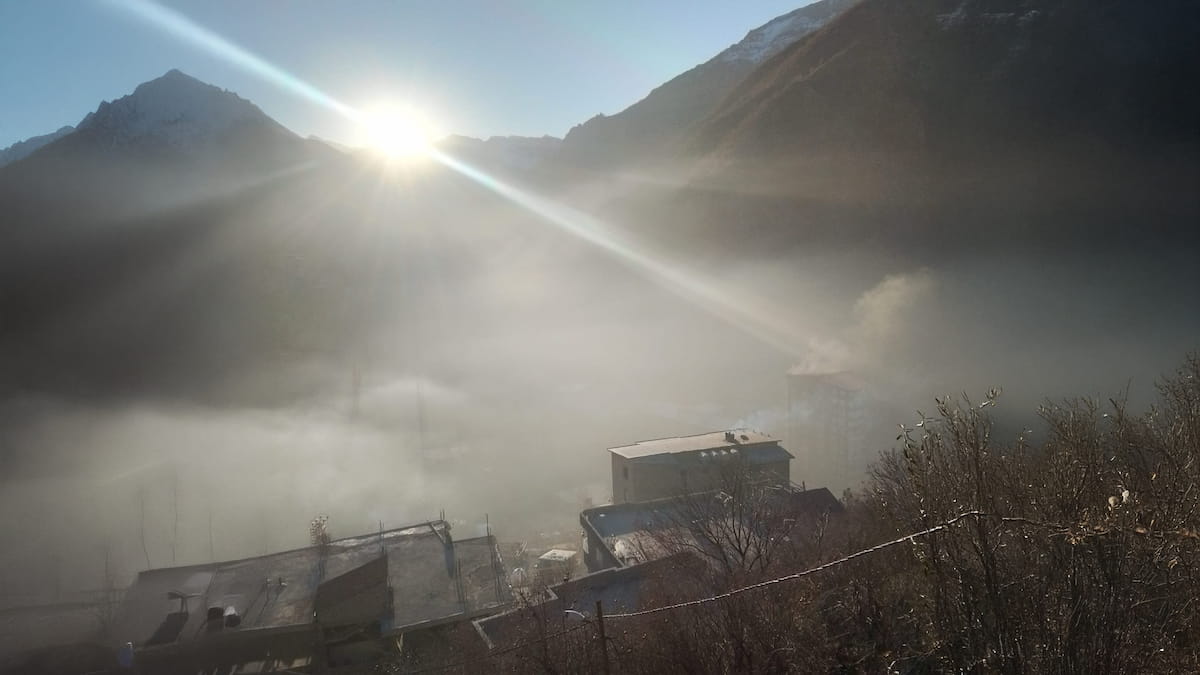
Qilaban (Uludere), a district of Şırnak, is located in a narrow V-shaped valley between two high mountains. This geographic structure shapes both the region's natural beauty and its environmental problems.
Qilaban's Disadvantageous Geographic Structure
Receiving very little sunlight, Qilaban is a narrow valley that traps air pollutants within the district. This narrow, enclosed geography prevents winds from dispersing polluted air, while meteorological events such as thermal inversion cause pollutants to remain suspended for days. New dams surrounding Qilaban are increasing regional humidity, which when combined with pollutants creates denser pollution layers.
The Silopi thermal power plant maximizes its profits by using low-quality coal at 2-3 times the legal limits, seriously poisoning the entire region.
Qilaban (Uludere) Air Quality Laboratory Results
According to 2024 Plume Labs international measurements, Qilaban faces a serious situation. Air quality ranges between moderate and hazardous levels.
1. Ozone (O₃): 35 µg/m³
This gas forms when thermal power plant emissions react with sunlight. It concentrates between mountains, causing throat irritation, coughing, chest pain, and asthma flare-ups.
2. Fine Particulate Matter (PM2.5): 17 µg/m³
These particles from coal stoves and power plants concentrate in valleys, creating serious health risks. The summer measurement of 17 µg/m³ exceeds WHO annual recommendations (10 µg/m³).
3. Coarse Particulate Matter (PM10): 7 µg/m³
Larger particles from coal burning, unpaved roads, and wind-carried mountain dust.
4. Nitrogen Dioxide (NO₂): 3 µg/m³
NO₂ from combustion processes reaches dangerous concentrations on winter mornings. Temperature inversion in valley basins traps this gas at ground level.
Agricultural and Crop Impacts
- High ground-level ozone damages plant leaf tissue
- Photosynthesis slows; plant growth decreases
- Yield losses occur in leafy vegetables
- Particulate coating reduces light absorption
- Leaf pores become clogged, gas exchange is hindered
Snow and Water Cycle Effects
Airborne pollutants are captured and accumulated by snow crystals. When pollutant-laden snow melts, all accumulated pollutants seep into the soil, mix with groundwater, and reach surface waters.
Silopi Thermal Power Plant's Illegal Operation
Technical personnel at the facility report serious environmental risks:
- Coal consumption exceeds legal limits by 2-3 times
- Flue gas treatment systems lack regular maintenance
- Inspection processes receive advance notice, preventing evaluation of actual operating conditions
Conclusion
In light of this data, Qilaban's geographic structure and environmental factors create serious air pollution. The V-shaped narrow valley traps Silopi plant emissions and local coal heating pollution. Winter inversion events particularly worsen conditions. The measured ozone, fine particulate, coarse particulate, and NO₂ levels pose risks, threaten regional health, and require urgent action.